Maintaining Your Pastures for Poultry
Reading Time: 5 minutes
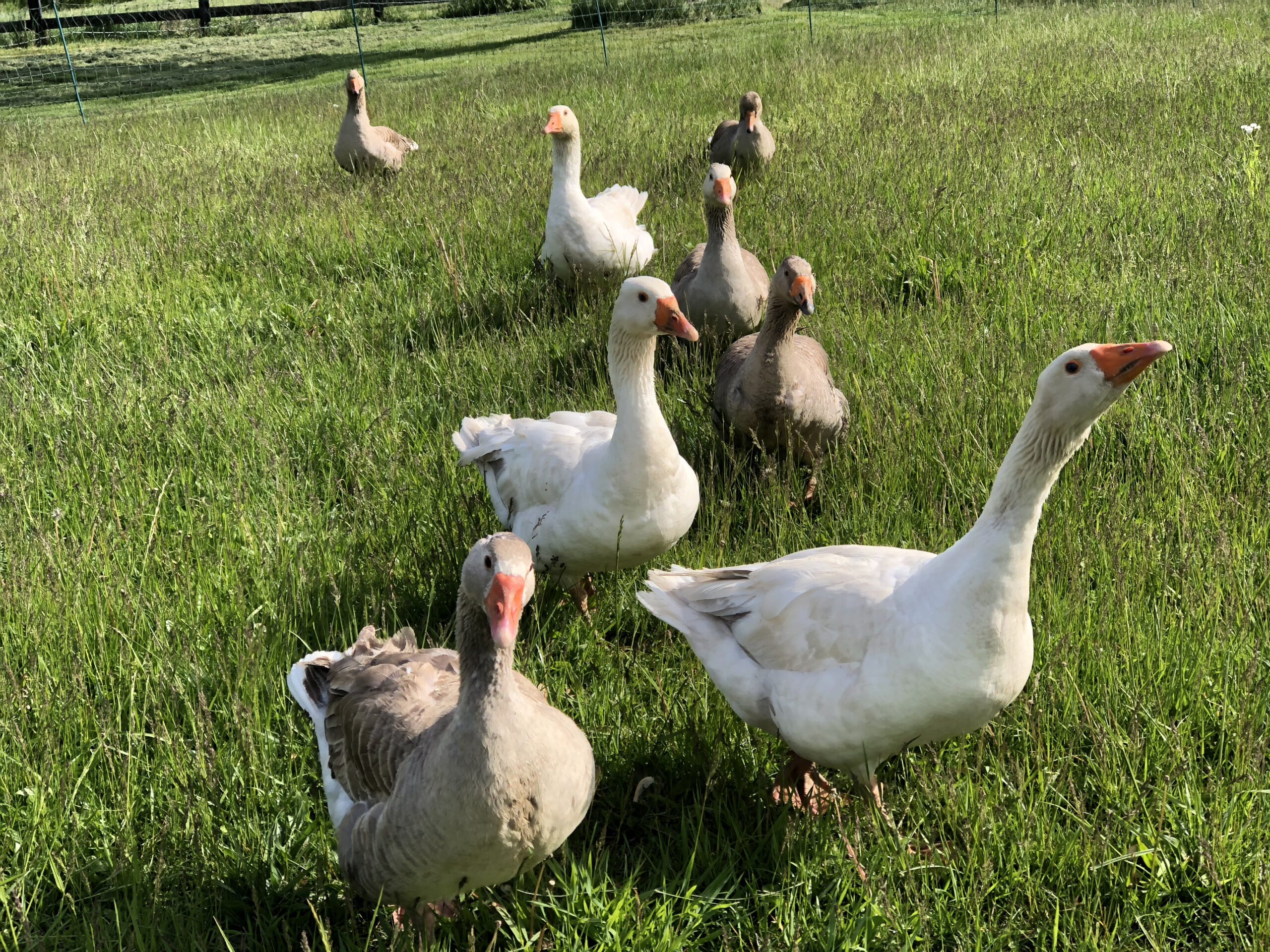
Ducks, geese, and chickens benefit from grazing in well-maintained pastures for poultry.
Whether your pasture is large or small, effective management of homestead waterfowl, such as geese and ducks, can help minimize supplemental feeding while improving the health of the pasture.
Under optimal conditions — a plentiful variety of forbs and grass — adult geese may be able to obtain most of their nutrition from the pasture greens. While omnivorous ducks won’t graze on greens like geese will, they’ll happily spend their days searching for treats, such as flies, grasshoppers, crickets, and tasty berries, to supplement their diets. Keeping your pastures healthy will help ensure they teem with insect life and offer a variety of tempting plants for the grazers.
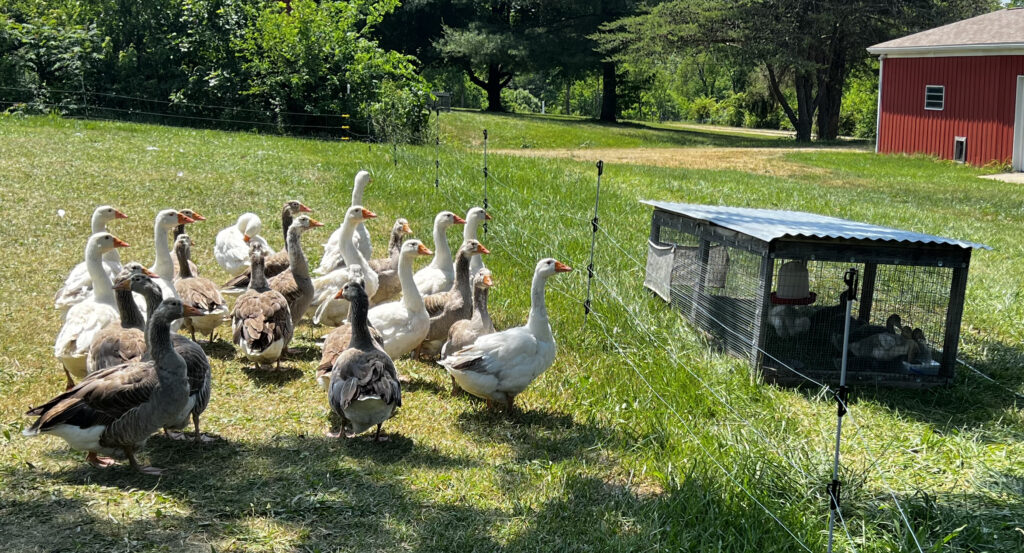
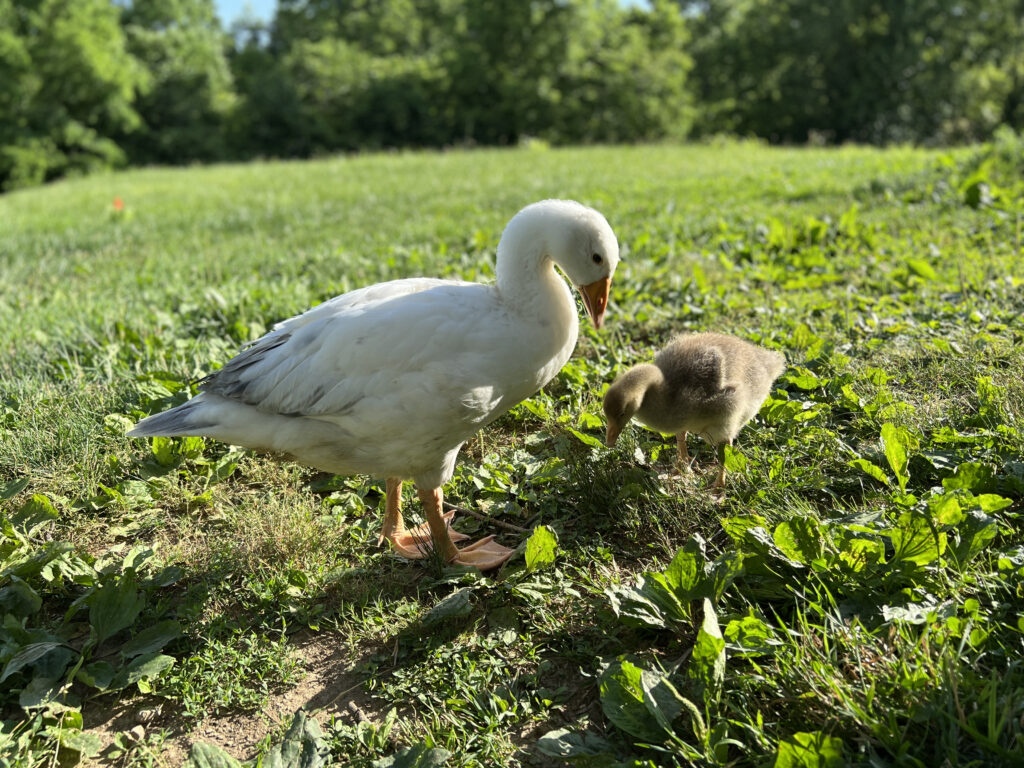
On our small acreage, we rotate waterfowl on pasture to ensure it’s not overgrazed or unrecoverably trampled. Because we have lots of predators here, young ducklings and goslings are typically housed in secure, low profile tractor coops or larger, hoop-style ones, which are moved as often as three times a day, depending on the number of birds housed. We simply do a visual check on the state of the grass inside the tractor to determine when a move to fresh ground is needed.
Mowing and Maintenance
Though it may be tempting to put geese on fields where the grass has run amok, they prefer relatively short grass of around 4 inches in length. If the grass is longer, the geese will typically snap off short sections with their serrated bills, but long, tough plants may pose a risk of crop impaction.
Since our property is rolling and steep in some areas, using a zero-turn mower is impractical — there are areas where four-wheel drive is needed — and mowing with a push mower would be nearly impossible. We use our subcompact tractor with a “belly” mower to keep the grass somewhat tamed. A belly mower attaches directly under the tractor; a rotary mower (also known as a “bush hog” or “brush hog”) is attached at the rear of the tractor.
We were new to farming when we purchased our tractor. Knowing what we know now, a rotary mower would’ve been a better choice for keeping our pastures at the optimal length, because we’ve found that a “belly” mower may tend to “scalp” uneven areas and is limited in length to which it can be set to cut. A belly mower is also less effective at cutting down taller and thicker weeds, which may cause the tractor to bog down and overheat during mowing.
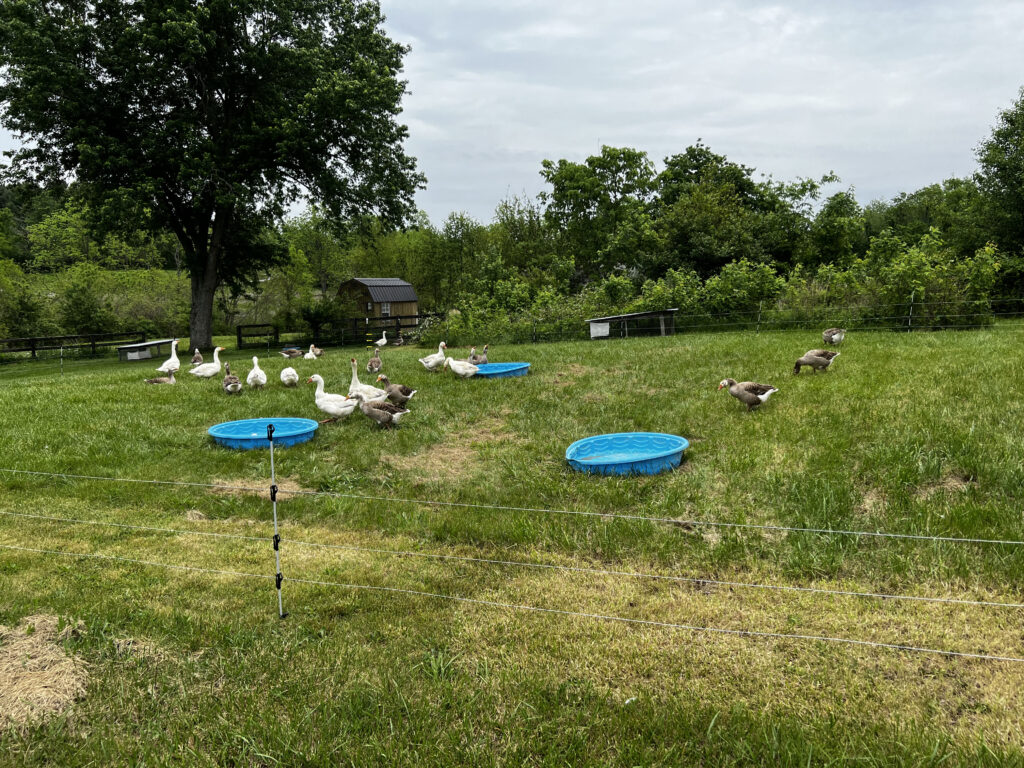
How often pasture needs to be mowed will depend on the composition of the pastures for poultry and the climate conditions. At the height of the growing season — usually spring and summer — and with adequate rainfall, pastures grow quickly, sometimes requiring mowing every two weeks. If pastures are being used to provide food for poultry, don’t mow too often, as that subjects the pastures to more stress if there are periods of drought, and constant mowing will be costly in terms of fuel. Mow just often enough that the pastures aren’t too tall, since that also helps insects thrive and provide shelter for other wild animals that live and reproduce in the pastures.
In addition, if you’re using electric fencing to keep birds on pasture, keep the greenery around and under the electrified parts short, so the wire or netting doesn’t ground out. Options include using a weed trimmer. If feasible, move the posts and wire or netting, mow short strips where the wire or netting was, and then return everything to its place.

Pasture Composition
Because we have an established variety of plants (grass and forbs) in our pasture, it hasn’t been necessary for us to plant anything specific for our waterfowl. Our birds have preferences, and that becomes clear when they’ve been in a pasture for a while: Certain plants will be basically untouched, such as asters. We’ve found, however, that they’ll sample most of the already-established pasture greens, with some favorites being chicory, dandelion, various grasses, clover, mulberry leaves, and rose bushes (thorns notwithstanding). Be able to identify potentially toxic plants in your pastures and ensure that your birds can’t access them.
Your geese may also “girdle” (severely strip the bark from) any trees in your pasture if they can reach them, which can seriously damage a tree. If there are trees within the pasture area, configure the fenced-in space so that the trees are outside its bounds and well away from an outstretched neck. You could also keep the bark of the trees, including delicate young trees, out of reach with wire fencing.
Pasture Renovation and Fertilizing
Where pasture has been neglected or damaged by overgrazing, allow sufficient time for the area to recover. Signs that the pasture needs a break include dry-looking patches, too short grass, and grass that doesn’t seem to be growing as quickly as it should be, despite adequate rainfall. If this is the case, move the birds off the area for at least several weeks to allow the pastures to repair themselves; even waterfowl feet trampling in a damaged pasture may prevent regrowth.
Ensure that the damaged pasture has sufficient water. Though we haven’t found it necessary to provide any kind of artificial irrigation to our pastures, if there wasn’t sufficient rainfall and dew for regrowth, a judiciously applied, movable sprinkler could help provide moisture to targeted areas; even better, captured rainfall (where permitted) or recycled water from waterfowl swimming pools could be applied.
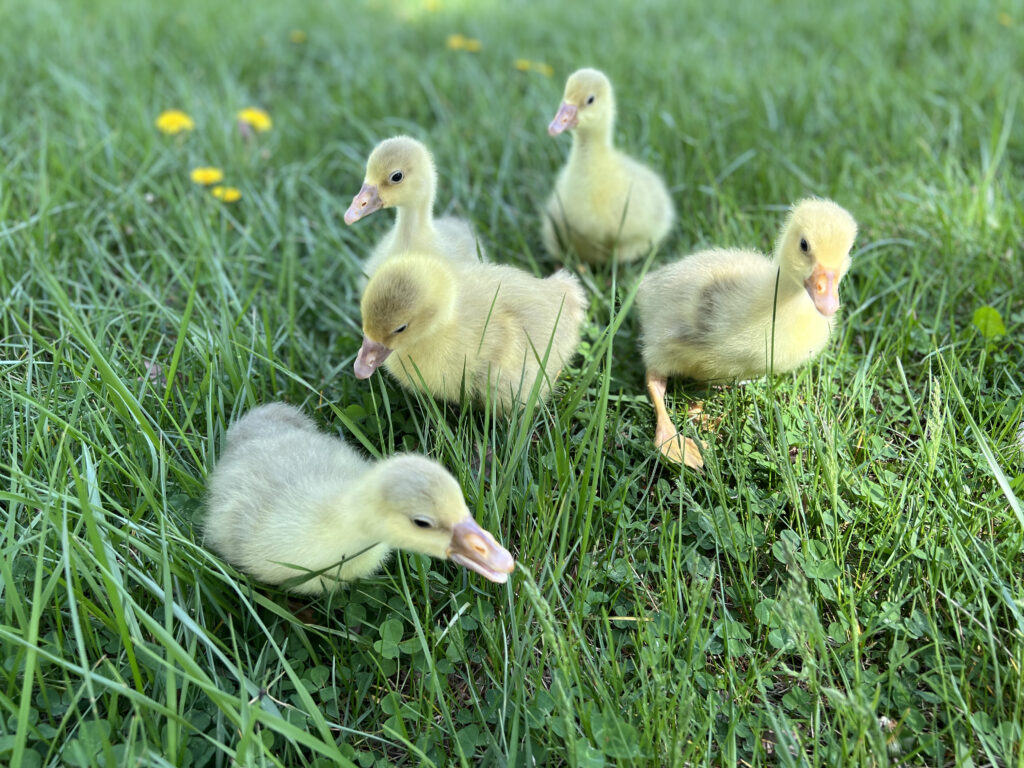
Supplemental fertilization has not been necessary for our pastures, because the geese and ducks “fertilize as they go.” If you’ve ever taken a close look at goose poop, it’s ground-up grass, which dries quickly in warm weather and is easily absorbed into the pasture. In areas where we rotate birds on pasture, the evidence that they’ve improved the pasture is obvious: it’s greener and lusher than in areas where the birds haven’t been.
Pasture is an abundant natural resource on our farm, so we leverage it to help reduce overall feed costs, provide enrichment, contribute to a healthy ecosystem, and keep our birds in great condition.
If you’d like to hear a podcast with Carrie about Pasturing Ducks and Geese, you can listen via MOTHER EARTH NEWS and Friends podcasts:
www.MotherEarthNews.com/Podcast/pasturing-geese-ducks-zepz2108ztil/
CARRIE HARDIE is a corporate professional turned homesteader who focuses on pasture-centered and Earth-friendly practices on her small farm in the bluegrass of Kentucky. Denizens of the farm include geese, ducks, several breeds of chickens, and pasture pigs. She’s an avid fermenter, forager, writer, and fan of the Oxford comma.
Originally published in the Feb/Mar 2024 issue of Backyard Poultry magazine, and regularly vetted for accuracy.