Feed & Health


Winter Water: Keep it Flowing For Your Poultry!
Like all living things, chickens need water to thrive, but keeping your hens hydrated in winter can be a challenge when temperatures plummet. Consider these tips to keep the fluids flowing, even in the coldest climates.
Read More
How To Get NPIP Certified
Add to Favorites Knowing how to get NPIP certified is key to taking your poultry hobby to the next level. Many of us sell eggs off the farm, and some …
Read More
Can Chickens Eat Oatmeal?
Can chickens eat oatmeal? Yes. They certainly can! Oatmeal for chickens is one of my favorite treats to serve my flock in the winter.
Read More
Winter Windowsill Herbs for Chickens
Not only do windowsill herbs add vibrant colors and aromas to our daily lives and warm winter meals, they also offer health benefits for both us and our two-legged feathered friends.
Read More
Winterizing Your Flock; A Winter Menu for Poultry
I receive calls each winter concerning loss of chickens or the reduction in egg production. Both of these issues are related to diet.
Read More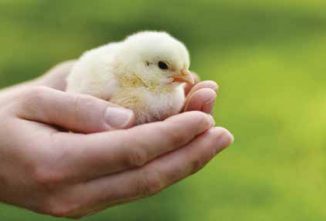
Four More Diseases That Specifically Threaten New Chicks
Chicks lack immunity to a wide array of viral, bacterial, fungal and protozoal diseases that may be found around the world and at all times. Strong biosecurity measures are particularly important when caring for newly hatched chicks.
Read More
All Cooped Up: Fowlpox
Fowlpox is an old viral poultry disease that frequently affects backyard flocks. It is found worldwide and was first described as early as the 17th century. It is most commonly seen in chickens and turkeys, but almost every bird species can become infected including wild birds and indoor birds like canaries.
Read More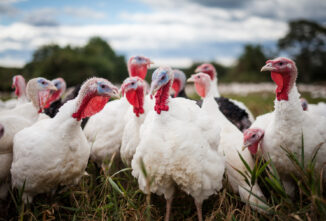
All Cooped Up: Erysipelas
Erysipelas is found worldwide and most commonly affects turkeys. Fighting, picking, and artificial insemination in birds like broad-breasted turkeys are risk factors for contracting erysipelas because they all have the potential to create lacerations.
Read More
Homemade Suet for Chickens
Need some ideas for what to feed your backyard chickens over the winter? As the weather gets colder, the treats I feed my flock focus more on energy and warming properties instead of being cooling and hydrating like summer treats.
Read More
Respiratory Distress in Chickens
The average respiratory rate of a chicken is normally from 15 to 30 breaths per minute. This, however, will vary greatly with the breed and size of chicken.
Read MoreSubscribe to Backyard Poultry Today!
Make the Most of Your Flock with Backyard Poultry!
Your best source for information on all things chicken, quail, turkey, guinea, duck, and beyond. Whether you raise a backyard flock for eggs, meat, show, or just for fun. Backyard Poultry is an essential guide for a diverse community of poultry lovers, accessible to those who live on a farm, in a suburban neighborhood, or are raising poultry in an urban environment. You will find research-based stories and actionable guidance, helping newbies and experts alike avoid costly and tragic mistakes.
Canadian Subscribers • International Subscribers
Canadian subscriptions: 1 year (includes postage & GST)