Heavy Duck Breeds
Reading Time: 5 minutes
by Erin Snyder
Heavy ducks breeds come in a variety of sizes from 2-pound Call Ducks to 15-pound Muscovy drakes. These six super meat ducks recognized by the American Poultry Association (APA) are hard to beat when producing eggs and meat — and even hatching and raising ducklings.
Appleyard Duck
Average Lifespan: 8 to 10 years.
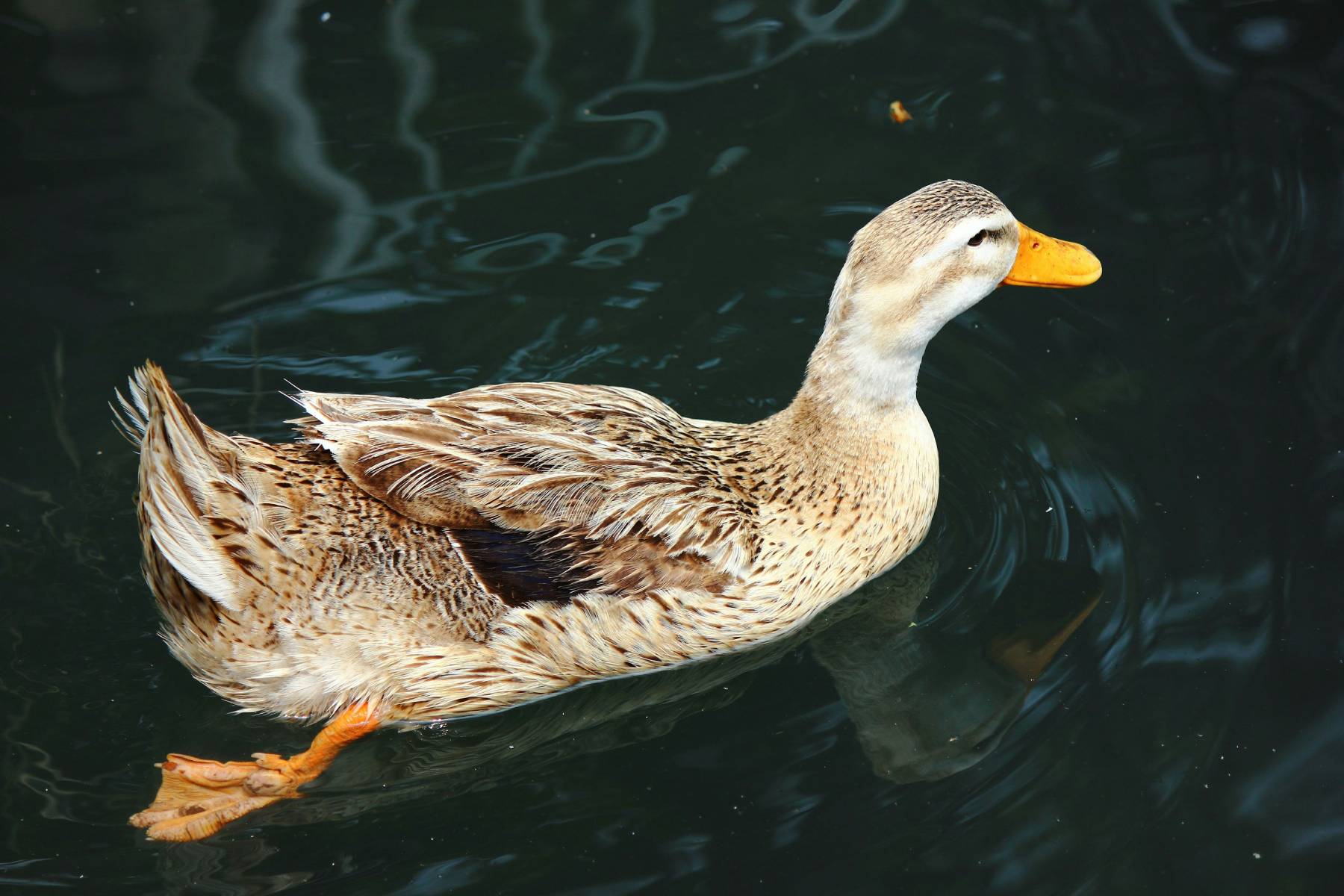
Also known as the Silver Appleyard, the Appleyard sports eye-catching feathers, has a loud, boisterous quack, and is one of the few breeds to be raised solely for ornamental purposes.
Silver Appleyards were first developed in England in the 1930s by Reginald Appleyard, who was looking to breed a beautiful duck. The breed was imported to the United States in the late 1960s, but wasn’t accepted into the APA Standard of Perfection until October 1998.
Silver Appleyards resemble large, washed-out Mallards, with hens a soft fawn color instead of the chocolate-brown feathers of a female Mallard.
Hens are excellent layers, averaging from 100 to over 250 large white eggs a year. Both hens and drakes mature quickly, making them an ideal breed to raise for meat.
Appleyards are friendly and active, but, due to their loud quacks, they may not be the best choice if you have nearby neighbors.
Aylesbury Duck
Average Lifespan: 10 to 15 years.
The Aylesbury is the least popular of the heavy-weight breeds, and is often mistaken for the Pekin. However, if you look closely at the bill, you can see that while Pekin ducks sport orange, green, or even black bills, Aylesburys’ bills are a peachy-pink color.
Bred in the early 18th century in England, this once-popular breed was known for walking over 40 miles to London to be sold for meat. (Yes, the ducks walked over 40 miles!) Even though the breed was one of the first to arrive in America, it quickly lost popularity with the introduction of the Pekin in the 1870s, and has never gained the popularity of other heavy-weight breeds. Aylesbury females are moderate layers, averaging 30 to 100 large white eggs per year.
The Aylesbury is a calm and placid breed. They love to eat and quickly convert feed to weight. While this is ideal for meat birds, if you’re keeping Aylesbury ducks for exhibition or pets, feed intake and weight gain should be monitored closely to ensure the duck maintains a healthy weight.
Muscovy Duck
Average Lifespan: 7 to 10 years.
Muscovy ducks are truly unique. They’re not really ducks, but South American waterfowl. They perch like chickens and sport red, fleshy skin on their faces, like a turkey vulture. Muscovies are also the only domestic ducks that don’t quack.
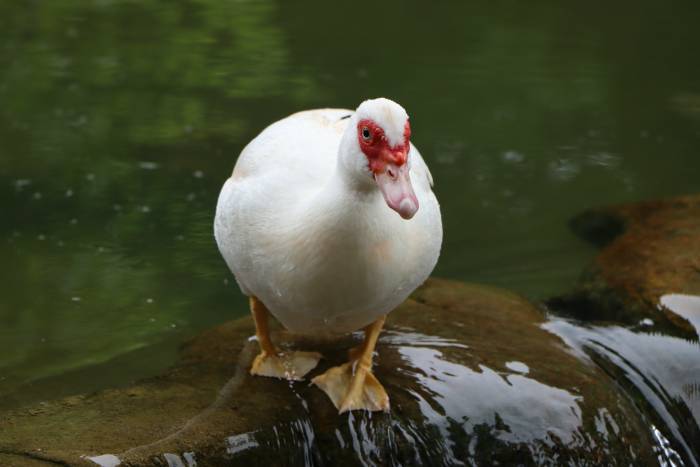
Muscovy hens are the best broody ducks and make excellent mothers. Hens are good layers, averaging 45 to 80 large white eggs annually, although some claim higher numbers. Hens and drakes make excellent table birds.
A Muscovy duck’s personality can vary from sweet and gentle to attacking its owners and killing small mammals and chickens.
Muscovy ducks are an invasive species, so be sure to check with your local fish and wildlife authorities to see if owning Muscovies is legal in your state. Also, be sure to ask about necessary permits to own, breed, and hatch these exotic ducks.
Rouen Duck
Average Lifespan: 7 to 10 years (Rouen) 8 to 12 years (Rouen Clair).
The Rouen is the only duck to have two distinct breeds in one: the Rouen and the Rouen Clair, both hailing from France. These ducks were originally bred for meat, but due to their slow growth, they’re no longer bred for that purpose. The difference between the two is the size, as Rouens are extremely fat and don’t serve any other purpose than exhibition or showing.
The Rouen Clair, however, is a typical barnyard bird. These ducks are slightly smaller in size and weight, resulting in a more active breed, with a better ability to breed and lay eggs. Rouen Clair females can produce almost twice the eggs as the exhibition Rouen, with each hen producing one 100 to 200 large, white or pale blue-green eggs annually.
Both strains of the Rouen are extremely placid and calm, and don’t spook easily.
Pekin Duck
Average Lifespan: 5 to 10 years.
The world’s most popular domestic duck breed, the Pekin, gained popularity as soon as it hit American soil in 1873. The breed soon became the top table bird in the country, as duck raisers turned to Pekins instead of the native Cayuga.
Pekin ducks make excellent table birds due to their white feathers and fast-maturing bodies. The ducklings grow quickly and can be ready to butcher at 7 weeks old.
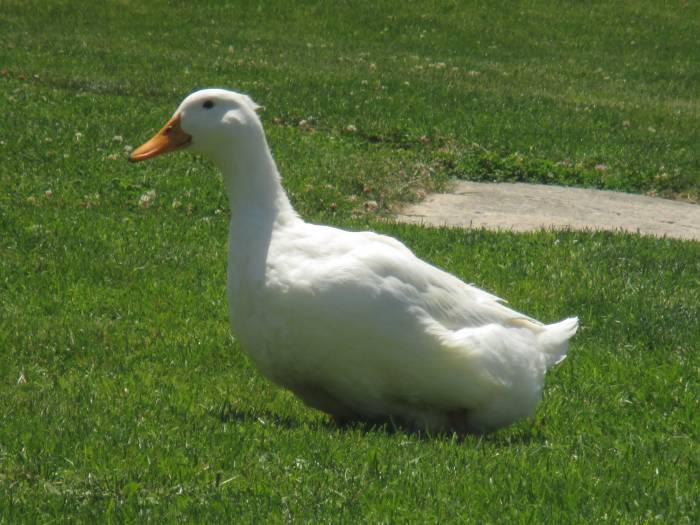
Hens are excellent layers, producing an average of 50 to 300 large white, cream, or tinted eggs (depending on the strain of bird). While most Pekin hens rarely go broody, some occasionally hatch and raise young. Pekin hens also make excellent surrogate mothers, helping to raise ducklings they haven’t hatched.
Pekins can be exceptional family pets with their calm, people-loving personalities. Intelligent, talkative, and fun, these ducks are gregarious and love interacting with other Pekins and their human family.
The breed is generally considered healthy, but is prone to having more leg problems than other breeds.
Saxony Duck
Average Lifespan: 9 to 12 years.
One of the rarest of the domestic ducks, the Saxony sports soft, eye-catching feathers and a sweet face.
The breed was first developed in the 1930s in East Germany by Albert Franz. Mr. Franz crossed Pekin, Rouen, and Blue Pomeranian to develop a better utility breed, but his efforts were soon stopped due to WWII.
In 1952, Mr. Franz salvaged what he could of the breed from local stock, developing the Saxony.
The Saxony is a gentle, active breed that requires a large enclosure in which to spend its days, versus a small coop and run. Hens and drakes make good pets due to their calm and gentle nature. Drakes are also considered to be less aggressive and quieter than other breeds.
Saxony hens are good layers, with conflicting accounts of egg numbers from 80 to 100 to 190 to 240 large, white eggs annually. These ducks are also known to go broody and make exceptional mothers.
These six breeds recognized by the APA have a lot to offer both backyard enthusiasts and hobby farmers, with their sweet personalities and excellent egg and meat productions.
Originally published in the August/ September 2025 issue of Backyard Poultry and regularly vetted for accuracy.