How Do You Increase Egg Production in Chickens Naturally?
by Heather Levin
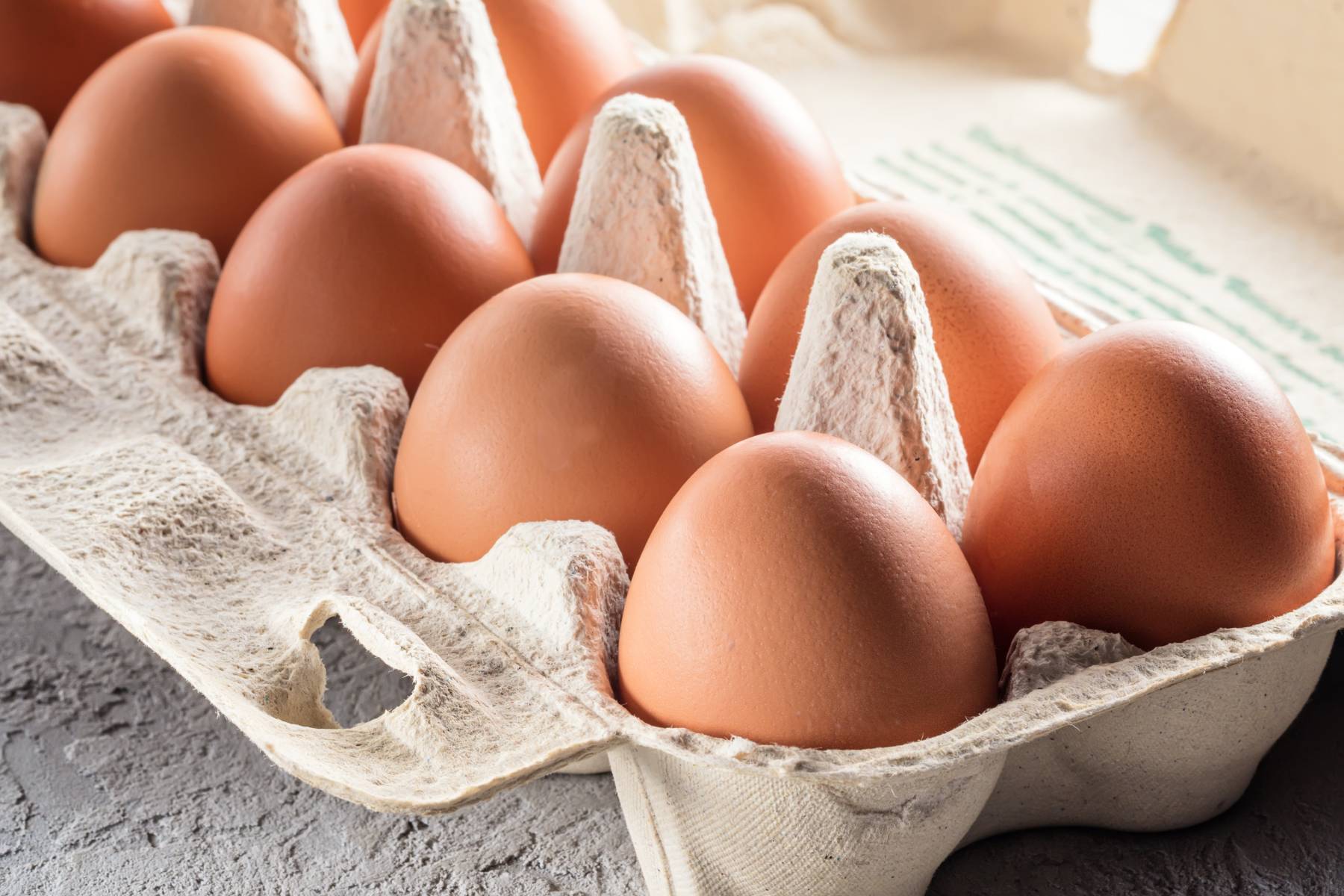
How do you increase egg production in chickens? There are plenty of things you can do to support your hens’ overall health, improve their environment, and limit stress so they can lay to their potential.
With egg prices all over the place this year, it’s become even more important to get every last egg we can from our hens. But what if your flock’s production has slowed — or seems to have stalled altogether?
Before you start panicking or switching your feed, it’s helpful to understand that egg production is a natural rhythm, not an on-demand system. So, we need to look at what affects laying, and how you can support your hens naturally — without adding stress or pushing them beyond what’s healthy.
What Impacts Egg Production?
If you’re new to chicken keeping, you might be surprised to learn that chickens don’t lay an egg a day, indefinitely. Throughout the year, several factors can slow or entirely stop egg production.
For example, hens naturally lay less as they get older. Most chickens lay their best during their first 2 to 3 years, with peak production usually happening in the first year. After that, the number of eggs gradually declines, although many hens will continue to lay occasionally for years. Older hens may lay fewer eggs, but they’re often larger and just as nutritious.
Other factors that will impact egg production include:
- 4 Fewer daylight hours
- 4 Molting
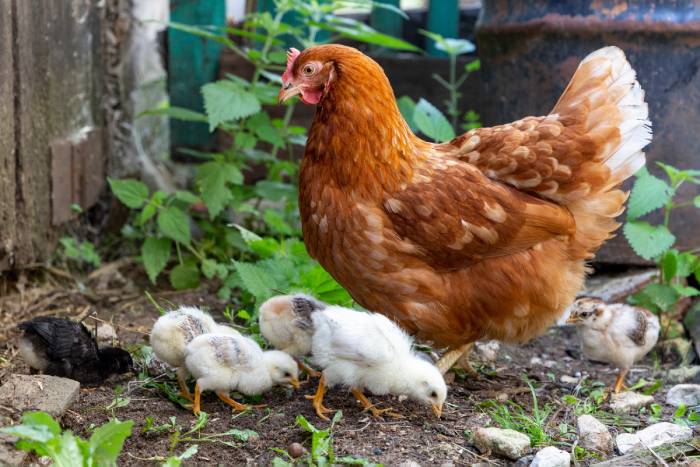
- 4 Brooding and raising chicks
- 4 Stress (from heat, predator attacks, dramatic temperature swings, flock drama, etc.)
- 4 Illness or parasites
- 4 Poor nutrition
Naturally Boosting Egg Production
It’s important to point out that there’s no “magic bullet” when it comes to getting dramatically more eggs from your hens. We have to work with the ebb and flow of their natural cycles!
That said, there are plenty of things you can do to support your hens’ overall health, improve their environment, and limit stress so they can lay to their natural potential, consistently and comfortably.
Herbs and Nutrition
One of the best ways to support your hens is to make sure they start out with a solid foundation of good nutrition. And this means purchasing the best quality feed you can afford.
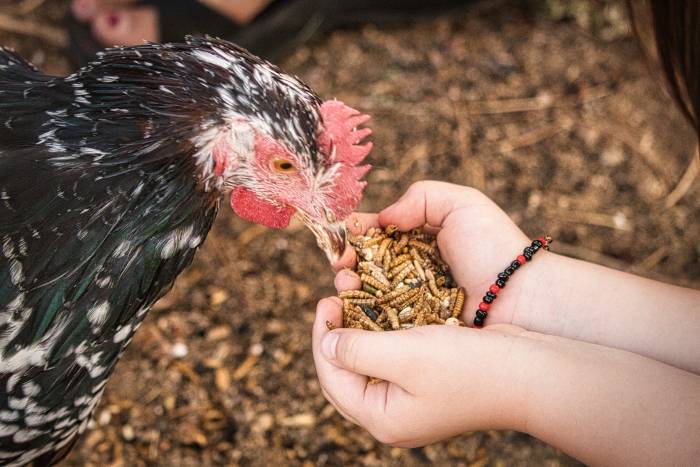
Quality layer feed has the right balance of protein, calcium, and essential vitamins and minerals your hens need to stay healthy and lay consistently. Look for feeds with at least 16 percent protein and added calcium to support strong eggshells. Ingredients like omega 3 fatty acids, probiotics, and natural herbs are also great bonuses if they’re within your budget, as are high-protein treats like mealworms or black soldier fly larvae.
You can also use herbs to add vitamins and minerals to your hen’s diet, and gently support egg production. These include:
- 4 Parsley (may indirectly support laying)
- 4 Nettle (rich in minerals and protein)
- 4 Dandelion (detox + mineral support)
- 4 Red clover (may help with hormonal balance)
- 4 Oregano (immune support, especially using the oil)
- 4 Chickweed (find fresh in spring only, nutritional powerhouse)
- 4 Calendula (anti-inflammatory, turns yolk a deep orange color)
Reducing Stress
Hens can slow or stop laying entirely when they’re under stress. So, anything we can do to limit stress will help.
Herbs. Nervine herbs such as lemon balm, chamomile, catnip, and lavender are gentle stress relievers, and can be given fresh, dried, or as a tea. You can also sprinkle these herbs in nesting boxes and around the coop to further create a calm atmosphere for your hens.
Environmental factors such as heat can also cause hens to quit laying. Adding herbs like mint and lemon verbena (fresh or dried) to their water during the summer can help mitigate the physical effects of heat stress. On my homestead in Tennessee, I grow a ton of mint just for this purpose. It’s blazing hot here half the year, so we use mint constantly to keep our hens cool and laying somewhat consistently during the summer. Adding ice to the water, or freezing water in bottles, can also help lower body temperature during the hottest months.
Another way to reduce stress is to make sure your hens have a safe and enjoyable run to spend time if they aren’t able to free-range. Add enrichment to the run with branches and stumps, create hiding places for them to tuck under if they’re bullied, put out a kiddie pool filled with leaves for them to scratch through … think like a chicken and try to make things fun for them!
Ease Into Molting
Hens stop laying entirely once they enter their fall molt, which can take 4 to 6 weeks, or even a few months.
Upping their protein during molt can help them regrow feathers faster, since feathers are made up to 90 percent protein. Some high-protein snacks that are great to give in the fall include:
- 4 Canned sardines or tuna
- 4 Scrambled eggs
- 4 Black soldier fly larvae, crickets, or mealworms
- 4 Sunflower or pumpkin seeds
During molt, you can also temporarily switch to a high-protein chick starter, and keep oyster shells out for your flock members that have finished their molt, or haven’t yet started.
At the end of the day, there’s no quick fix for egg production — and that’s okay. Our hens aren’t machines, but living animals with changing needs throughout the seasons. By offering good nutrition, reducing stress, and using herbs and natural remedies with care, we help them lay well not just in the short term, but over the course of their entire lives.
Remember, chickens really don’t like change. So, whatever you try, introduce it slowly and give your flock time to adjust. With a little patience and care, your hens will reward you with strong, beautiful eggs — and a whole lot of joy along the way.
Heather Levin is an educator, herbalist, and chicken wrangler of 30+ chickens. She’s also the founder of The Backyard Chickens Summit and Chicken Health Academy, a pioneering online learning academy that teaches natural and emergency chicken care strategies.
Originally published in the August/September 2025 issue of Backyard Poultry and regularly vetted for accuracy.