Line Breeding Chickens with Clans
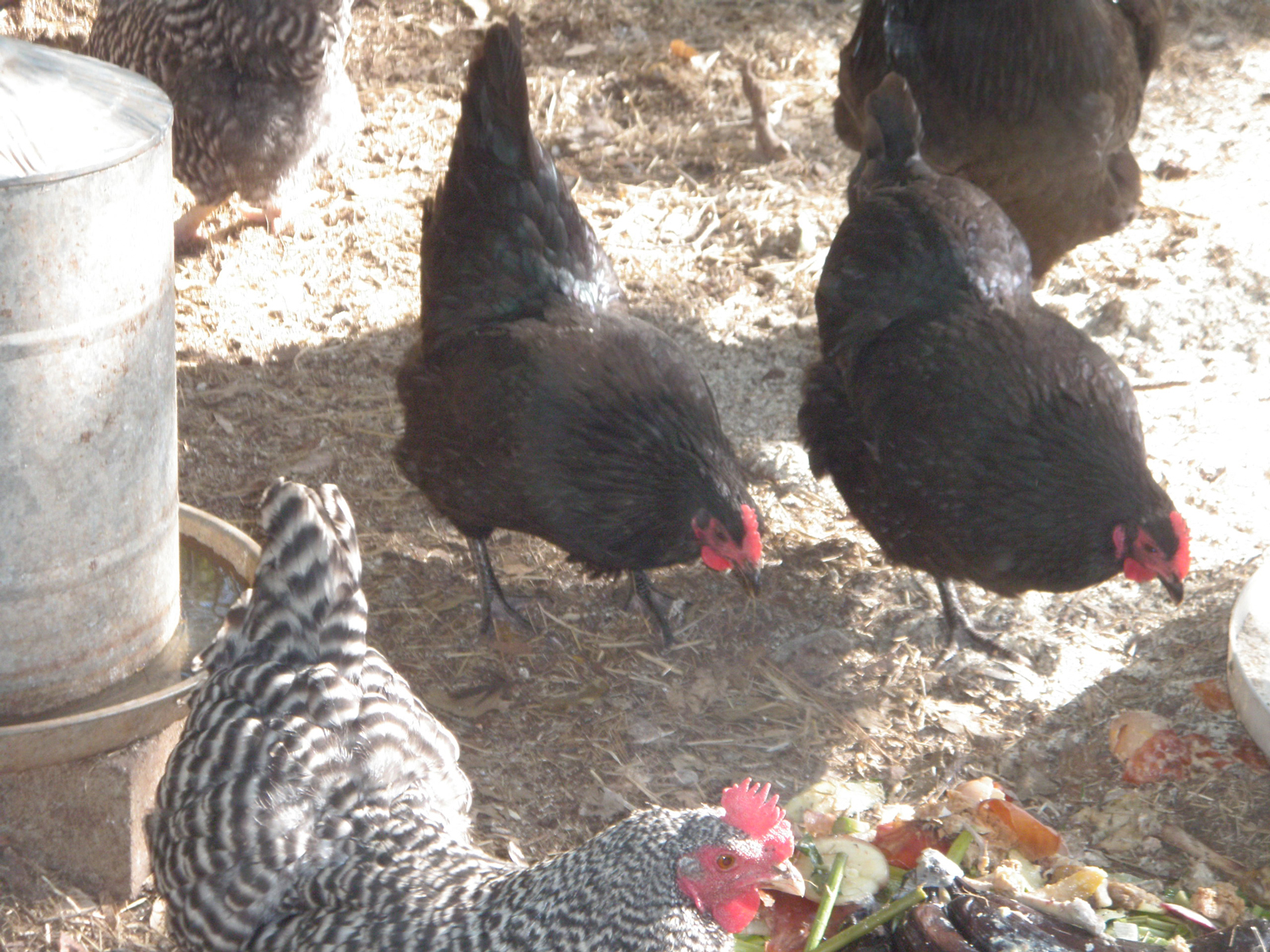
Reading Time: 5 minutes
Try line breeding chickens using a small three-clan mating system on the homestead.
Are you one of those people who gets chicks every spring? You go down to the local feed store or order from a hatchery, winding up with a box of cheeping fluff balls. While this delights the small children in the family, it’s expensive. And every year the cycle repeats itself. What if there were another way? Let’s talk about clan mating.
A Different Path
What is clan mating? In a nutshell, it’s a form of line breeding chickens with at least three separate flocks. The hens in each flock remain there permanently, while roosters rotate from one pen to another. With a permanent chicken solution driven by clan mating:
- You raise your own chickens year after year.
- Done correctly, you’ll maintain genetic diversity in your flock.
- As long as you cull properly, your chickens will improve.
- You’ll be independent of the feed store or hatchery.
- You’ll have a steady supply of eggs year-round, plus chickens to eat or sell.
- The risk of bringing in disease with new birds will drop significantly.
The Basics
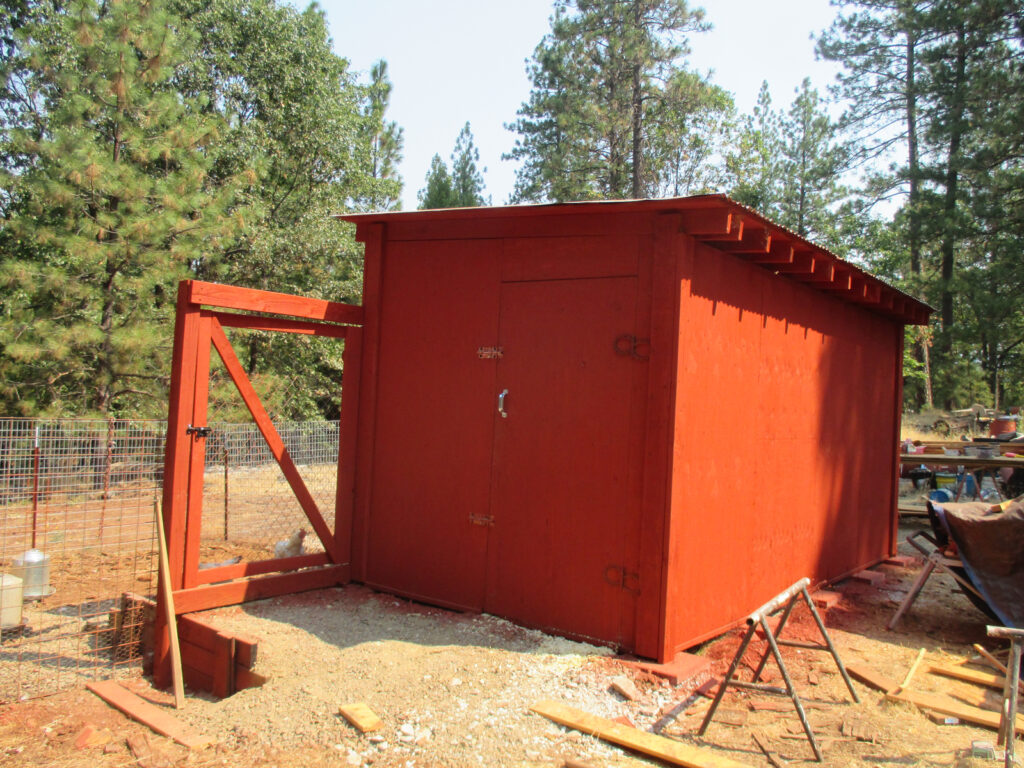
Clan mating is a breeding system to concentrate positive qualities in your flock while minimizing undesirable traits. We prefer clans of about 10 to 12 hens, but eight hens are acceptable. Maintain at least three clans, each in its own coop with a run, plus a small coop to raise the chicks. We have another coop to raise butcher roosters (pullets are easy to sell or give away). It’s well out of sight and scent of the hen clans, to minimize fighting. We try to allow 10 square feet per rooster for the same reason. We butcher aggressive roosters as soon as the trait appears, and have very little trouble with fighting.
- Unbreakable rule #1: All chicks are assigned to and banded in the clan of the mother. We use red, blue, and green plastic zip ties because they’re cheap and easier to see than standard chicken leg bands.
- Unbreakable rule #2: Roosters only breed the next clan over; after the first year, a red rooster never breeds a red hen. This prevents close inbreeding (father/daughter, mother/son, full siblings).
Choosing Chickens
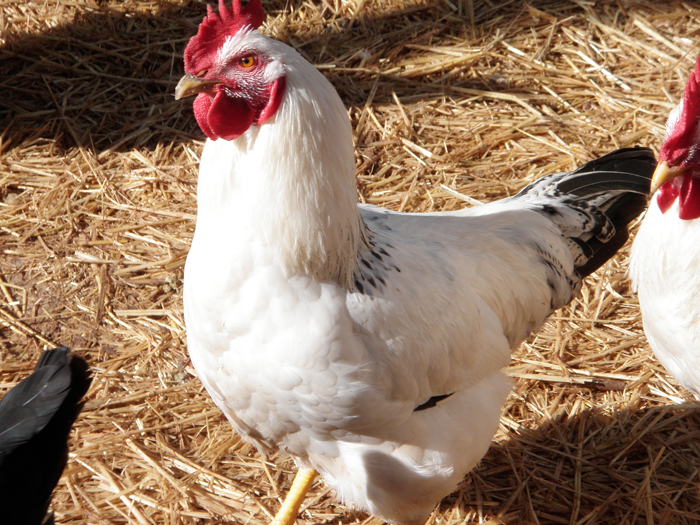
Choose a dual-purpose breed, as you’ll have excess roosters. Roosters from egg-laying breeds simply don’t have enough meat. I’d choose one of the following breeds: Plymouth Rock, Delaware (my favorite), Wyandotte, Sussex, Dominique, Orpington, Buckeye, or Java. Don’t mix breeds and don’t get hybrid sex-links. It’s too hard to select the best replacements. Older hens and roosters (about three years old) produce better babies. They’ve demonstrated hardiness and disease resistance — qualities you want in your flock. Although each clan will start with same-age hens and roosters, eventually some of your hens will be older even if the rooster is young. This is the second-best combination if you don’t have all older birds.
Raising Replacements
Most modern chickens have had broodiness bred out of them, even if the catalog says they’ll set. You must raise chickens on your schedule to ensure you always have a young group coming up to replace the older hens. You’ll raise replacements every year; the incubator is a necessity. I like to do a batch — each from a different clan — every four months. That way we always have some pullets starting to lay no matter what time of year it is. Even in off times, we usually get 10 or more eggs daily. It also means we need only one small coop to raise each batch of chicks in until they go in their lifetime pens.
Select Only the Best!
Use the American Poultry Association breed standards to guide your selections. Select only the best from each clan; a mediocre parent means mediocre offspring. With 12 hens per clan, I’d keep no more than three or four pullets and one cockerel per clan, per hatch. Butcher, sell, or give away all the pullets and cockerels you won’t be using.
Clan Mating Schedule by Year
Year One — Buy your chicks (preferably early in the year) and sort them into clans. If you can, get them from small breeders and multiple sources, to increase genetic diversity. Mix them among clans since each source will probably have related chicks. Chicks from the biggest hatcheries are usually not closely related; it doesn’t matter which goes where. Most sources have 25-chick minimums, which is fine. You’ll be culling them down to the size flock you want.
Year Two — Raise up to a dozen new pullets and four cockerels from each clan. Choose the best three or four pullets (no more than four), leave them with their mothers, and get rid of the other pullets. Save the best cockerel from each clan; get rid of the others. You’ll need to put each cockerel in his own pen once he’s sexually mature — you don’t want him breeding his sisters or his mother. Get rid of any older hens that aren’t laying.
Year Three — In December, move each original rooster to the next clan over. Roosters always move red to blue, blue to green, green to red. Wait one month before collecting eggs to incubate, so eggs are fertilized by new roosters. Raise up to a dozen pullets and four cockerels from each clan. Save the best cockerel and three or four pullets from each clan; get rid of the others.
Year Four — Same as Year Three, except red rooster to green clan, blue rooster to red clan, green rooster to blue clan.
Year Five — Same as Year Four except butcher current roosters. Place Year Two roosters in pens as follows: red to blue, blue to green, green to red.
Succeeding Years — Same as Year Four except you will replace with Year Three roosters: red to blue, blue to green, green to red. Continue indefinitely, replacing roosters every year. This ensures you’ll never breed closely related individuals, and maintains genetic diversity.
New Stock
Once you get up to 20 generations, you might consider bringing in some outside roosters to refresh the bloodlines. Always quarantine new stock for 60 days to prevent disease. The least expensive way to refresh your entire stock is to bring in three new roosters. They must be at least as good as your current roosters. Otherwise, just bring in one new rooster to avoid dilution of your good bloodlines. Choose the very best one you can find and replace your weakest rooster with the new one. Or, if you can afford it and can find some excellent hens, get two hens for each clan. There you have it — a permanent chicken solution.
Beth Greenwood is an RN who has also been a ranch wife for over 50 years. She raised Quarter Horses for many years, and has also raised/managed cows, sheep, pigs, and poultry. She lives with her extended family on a large ranch in far northern California. You’ll usually find her in the garden, ignoring the housework!
Originally published in the August/ September 2025 issue of Backyard Poultry and regularly vetted for accuracy.